
Gum Disease Treatment – Reno, NV
Protecting More than Just Your Teeth
Your teeth are the star of the show when it comes to your smile, but they absolutely need the support of the gums to function properly. That’s why it’s so important to incorporate healthy habits into your daily routine, like flossing! If you don’t, then gum disease can develop, which is an oral health problem that roughly 50% of American adults struggle with. If you are interested in learning more about it, including common warning signs, then get in touch with us or read on.
Why Choose Village Dental for Gum Disease Treatment?
- Highly-Rated Dental Team
- Appointments as Early as 7 AM
- Dental Insurance Welcome
What is Gum Disease?
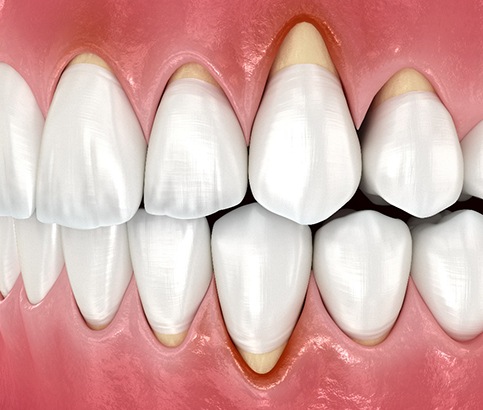
Without consistent care, your gums can develop an infection called periodontal disease, better known as gum disease. In the early stages, the symptoms are relatively mild, like tenderness. Without the necessary care, however, the infection can rapidly progress, eventually leading to tooth loss. For that reason, we strongly recommend coming to our office every six months for an exam and getting in touch with us between visits if any abnormal dental symptoms arise.
Symptoms of Gum Disease

Usually, gum disease is accompanied by:
- Red, tender, or swollen gums
- Bleeding when you brush or floss
- Chronic bad breath
- Gum recession
- Loose teeth
If you notice these or any other warning signs of trouble, don’t wait – call us right away so we can protect your smile’s foundation with gum disease treatment in Reno!
How Do We Treat Gum Disease?

Our team at Village Dental offers two types of gum disease treatment: laser periodontal treatment and scaling and root planing. During your consultation, we will share which one we recommend and answer any questions you have so you feel confident moving forward. In the meantime, however, you can learn a little more about them below!
Scaling & Root Planing
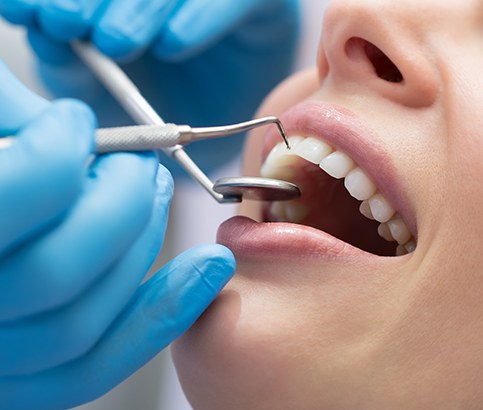
Gum disease is primarily caused by a buildup of bacterial plaque and tartar near and below the gum line, so the key to treating it is to remove these harmful substances. This is done using two techniques-- scaling and root planing. Scaling involves clearing away the plaque and tartar, while root planing entails slightly reshaping the tooth roots and making them smoother. Together, they not only stop the current infection, but they also protect a patient against future ones while kickstarting the recovery process.
Do I Need Scaling & Root Planing?

To determine whether scaling and root planing is right for you, we need to examine your gums. We will also take X-rays to obtain as much information as we can. Depending on the current state of your gum tissue, the depth of the pockets, and the progress of your gum disease, we might recommend scaling and root planing to keep your gum disease under control.
The Process of Scaling & Root Planing
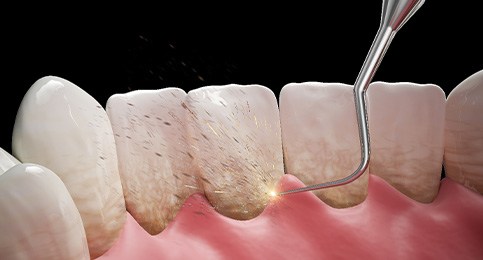
The scaling and root planing process is typically completed over the course of two appointments but this can vary from patient to patient. To remove plaque and tartar, we start by scaling the teeth with dental tools. We target the gumline and neath the gumline where plaque, tartar, and bacteria build up.
Following the scaling portion, we will move on to the root planing portion of the treatment. At this point, we will smooth down sections of teeth beneath the gumline. This helps the gums to adhere to the teeth, speeding up the healing process by making it more difficult for bacteria to build up going forward.
Aftercare Tips for Scaling & Root Planing

It Is common for the gums to feel sore for a few days following scaling and root planing. You might see some inflammation in those areas too. This is temporary and should subside over the next few weeks. Here are some tips to help the healing process go as smoothly as possible.
- Brush twice per day with a soft-bristled toothbrush and fluoridated toothpaste
- Rinse your mouth with salt water following meals
- Floss every day
- Stick to a soft diet after your treatment
- Avoid foods and drinks that are acidic, hot, or spicy
Laser Periodontal Treatment
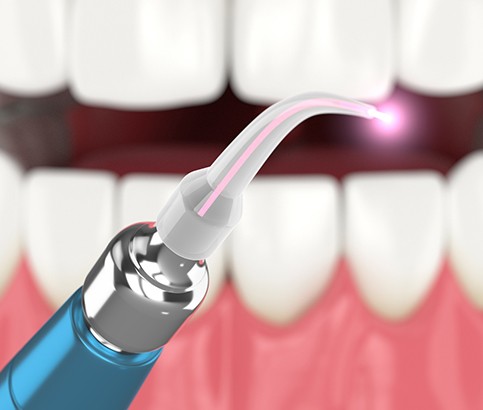
In addition to offering deep cleanings, we offer laser periodontal treatment. Although this might sound scary, it makes the process of eliminating the infection and restoring your healthy smile completely painless. It also cuts down on recovery time, which makes the overall experience for our patients even more positive.