
Possible Complications with Invisalign Patients Should Know
December 8, 2025
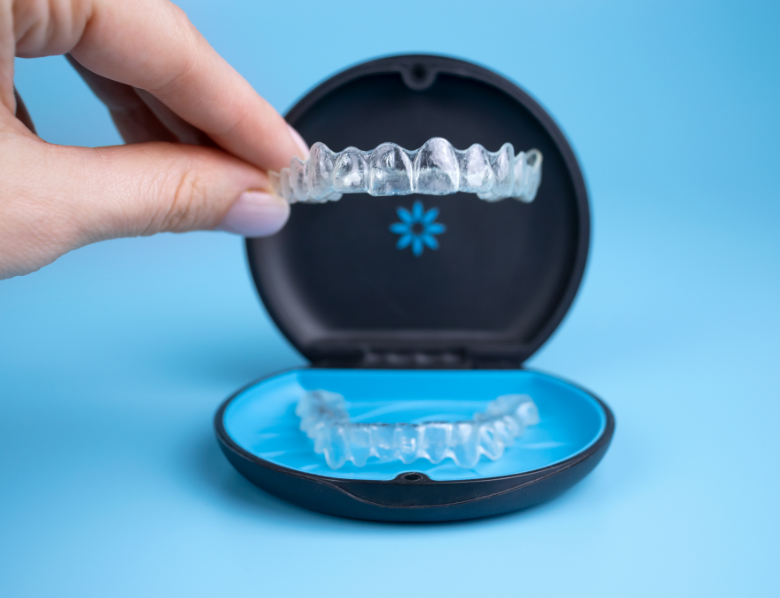
Invisalign has become a popular alternative to traditional braces, offering a more subtle and flexible way to straighten teeth. While many patients enjoy excellent results, Invisalign isn’t completely risk-free. Understanding the possible complications can help you make an informed decision and set realistic expectations before starting treatment.
Invisalign Is Not Right for Every Orthodontic Case
One of the most important things to know is that Invisalign may not be suitable for all alignment issues. Severe bite problems, significant tooth rotations, or complex jaw discrepancies can be harder to correct with clear aligners alone. In these cases, traditional braces or a combination of treatments may provide better results. A thorough orthodontic evaluation helps determine whether Invisalign can effectively meet your needs.
Aligners Must Be Worn Consistently
Invisalign requires discipline. Aligners typically need to be worn 20 to 22 hours per day to work as planned. Inconsistent wear can slow progress, cause teeth to shift unpredictably, or lead to less-than-ideal results. Patients who frequently forget to wear their aligners or remove them for long periods may experience extended treatment times or need refinements.
Temporary Discomfort and Tooth Sensitivity
Mild discomfort is common when starting Invisalign or switching to a new set of aligners. This pressure is a sign that the aligners are moving your teeth, but it can still be uncomfortable for a few days. Some patients also notice temporary tooth sensitivity, especially when eating hot or cold foods. These sensations typically fade as your mouth adjusts.
Speech Changes and Excess Saliva
During the first few days of treatment, you may notice slight speech changes, such as a mild lisp, or increased saliva production. This happens because your tongue and mouth are adjusting to the aligners. For most patients, these effects are temporary and resolve quickly as speaking patterns normalize.
Oral Hygiene Challenges
Because aligners are removable, it’s important to brush and floss after meals before putting them back in. Failing to do so can trap food particles and bacteria against the teeth, increasing the risk of cavities or gum irritation. While Invisalign can make oral hygiene easier than braces overall, it still requires consistent daily care.
Why the Benefits Often Outweigh the Risks
Despite these possible complications, Invisalign remains an excellent orthodontic option for many patients. The aligners are discreet, removable, and generally more comfortable than traditional braces. Treatment planning is highly customized, allowing for precise tooth movement and predictable outcomes. When patients follow wear instructions and attend regular check-ins, Invisalign is often both effective and convenient.
The Importance of Proper Evaluation and Monitoring
Many Invisalign complications can be avoided with careful planning and professional oversight. A dentist will evaluate your bite, tooth alignment, and overall oral health to determine whether Invisalign is the right solution for you. Ongoing monitoring throughout treatment ensures adjustments can be made if issues arise, keeping your progress on track.
Choosing the right orthodontic treatment starts with understanding both the benefits and the limitations.
About the Practice
Village Dental in Reno offers comprehensive dental care, including orthodontic solutions such as Invisalign. Dr. Cercek and Dr. Rodriguez take time to evaluate each patient’s unique needs, ensuring treatment plans are personalized and effective. By focusing on education, precision, and long-term results, the team helps patients achieve healthier, more confident smiles.
Call us at (775) 827-1113 or request an appointment online.
No Comments
No comments yet.
RSS feed for comments on this post.
Sorry, the comment form is closed at this time.